Total Pageviews

Saturday, 11 October 2014

Filth: Punchlines That Hurt


Filth, a comedy based on the book of the same name written by the eminent Scottish novelist Irvine Welsh, is the weirdest Christmas film you will ever see. Far from revolving around a lovable and identifiable protagonist, the film revolves around Bruce Robertson (James McAvoy); a racist, misogynistic, cocaine snorting and deeply disturbed police detective who viciously manipulates his colleagues in pursuit of the Chief-Inspector position. As the films narrative plays out Robertson becomes no-less likeable, but gradually more sympathetic, pathetic even, as more and more of his dark personal history is revealed, alongside his mental health issues.


The film certainly isn’t cheerful, nor kind to its characters. Almost every character is viewed through the lens of Robertson himself, and are as disgusting and vile as Robertson himself as a result. This lack of pleasant or relatable characters makes the humor of the film very dark and quite unsettling, directly juxtaposed with the typically upbeat Christmas carols that form much of the films score. There’s not much more to say about the film without spoiling the plot beyond that it has one of the most brutal and simultaneously darkly comic endings to any film I’ve seen. Somewhat hard to stomach, but quite enjoyable for that.
If you’re in the mood for a dark comedy, this is isn’t the best, but it does hold its own and the ending is fantastic. So give it a go.


Tim


Friday, 10 October 2014

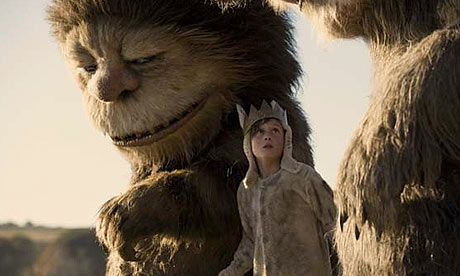
Where The Wild Things Are: House Of The Worst Film


Where the Wild Things Are (2009) is arguably the worst movie ever made in the history of filmmaking. An on-screen adaptation of the 1963 picture book by Maurice Sendak, the film’s screenwriters made an attempt to create a fantastical masterpiece, only to have produced a horrific memorandum of the famous children’s book. It is classified as fantasy drama – more like horror. I am ashamed to admit that I paid a good $20 on a ticket to watch the film at the local cinema, as I’m sure many other parents are too once their children started asking questions as to why the young boy ripped off an animal’s arms in a dirt fight (I am not making this up, a 4-something year old boy behind me asked his mother in tears). Personally, I would have preferred spending my time seated outside the cinema at McDonald’s eating chicken nuggets.


How the film’s advocacy of violence and imaginative escape to fantasy worlds of unrealistic horror still managed to score the film an IMBd rating of above 2 is beyond me. The thematic concerns of the movie are ironically disassociated with the concerns of children, who are primarily the main audience the film wishes to attract. The absent discipline the main character, Max, receives sends the wrong message – that inappropriate behaviour will go unpunished, such as biting your mother’s shoulder as if imitating a wolf. I seriously cannot praise the film in any respect. It was that bad.

IMBd rating: 6.8/10
My rating: 1/10

1 mark was given to the film, because the budget was $100 million dollars – a LOT of money.

If you dare, watch the trailer. If you cannot take more than 5 seconds, I won’t say “I told you so”:


Sarah R


Divergent: The Convergence Of Rebels


The hype that arose from the recent release Divergent (2014), a sci-fi action "coming of age" film, was disappointingly misplaced. Based on the first book of the trilogy by Veronica Roth, the futuristic film documents the interactions between the five factions that define society: Abnegation (selfless); Amity (peaceful); Candour (honest); Dauntless (brave); and Erudite (intelligent). The female protagonist – Beatrice – is identified as a Divergent: independent thinkers considered threats to the existing post-war social order.


The screenwriters pursued an unusual avenue for dystopian drama, however such innovation was undermined by the generic screenplay and script. As the film progressed, the predictability of the plot increased, as did the believability of the whole scenario. The film was saved by the two leads, played by Shailene Woodley and Theo James, who were the most believable aspect of the film. Despite the diminishing interest in the plot development, the romantic tension between Woodley and James made for acute curiosity into their future experiences as a couple.

IMBd rating: 6.9/10
My rating: 7.5/10

Click here to watch to trailer:


Sarah R


American Beauty: One Hell Of A Beautiful Film


American Beauty, directed by Sam Mendes and written by Alan Ball (of True Blood fame) is quite indescribable. Every time I watch this masterpiece I take something different away from it; it is one of those rare films that gets better with every viewing, and I would consider it essential viewing for anyone. Lester Burnham (brilliantly played by Kevin Spacey) is the central character from whom all other characters are connected. When he is interviewed to keep his job he suddenly realizes that his life is not the one he wanted and begins noticing with ever greater perception that his wife and only daughter don't look up to him. As Lester's life is devolving into a serious mid-life crisis his family become more and more estranged while he becomes increasingly infatuated with his daughter's friend.

The film continues to spiral into ever more personal thoughts, feelings and moments as we are brought into the life and household of Ricky Fits, a troubled child next door who is obsessed with filming anything he finds beautiful, in particular Jane; Lester's daughter. Saying any more would spoil much of the film, but what are quite unsettling and perhaps even threatening ideas and scenes are handled with both grace and humor.


Throughout the film symbols and recurring motifs occur frequently, most notably in the use of red and in the roses and rose petals that frequent the film. This saturation of one particular shade of red, from the door to the Burnham household to the Pontiac Thunderbird Lester had always dreamed of buying, adds a somewhat surreal quality to the film which, on top of the bizarre fantasy and dream sequences, creates a particular and unique flavor to the film.

Even with a full plot synopsis and a panel of film experts you couldn't understand exactly what the film is about without watching it, not only does everyone see it differently, but everyone's views of the film change with subsequent viewings, and there is no consensus on the main themes of the film. Some will say that the desire to be desired is the core theme, while others will claim it is a satire of suburban desires while still others might claim it is conformity that lies thematically at the core of the film. They are all right, and all of them are wrong. To me the film is a love letter to everything, while being a mockery of all it shows. It is about learning to live and accepting death, coming to terms with one's self and denying truths to yourself. It is about everything and nothing, and I wouldn't have it any other way.

Truly impossible to describe, but essential viewing. So give it a look. And then look closer.


Tim